This week from Healthy Eats Sweets and Treats, a buttercup squash soup recipe. This soup is like fall in a bowl and is my favorite of all time. I’m sure it’ll be yours too! 🙂
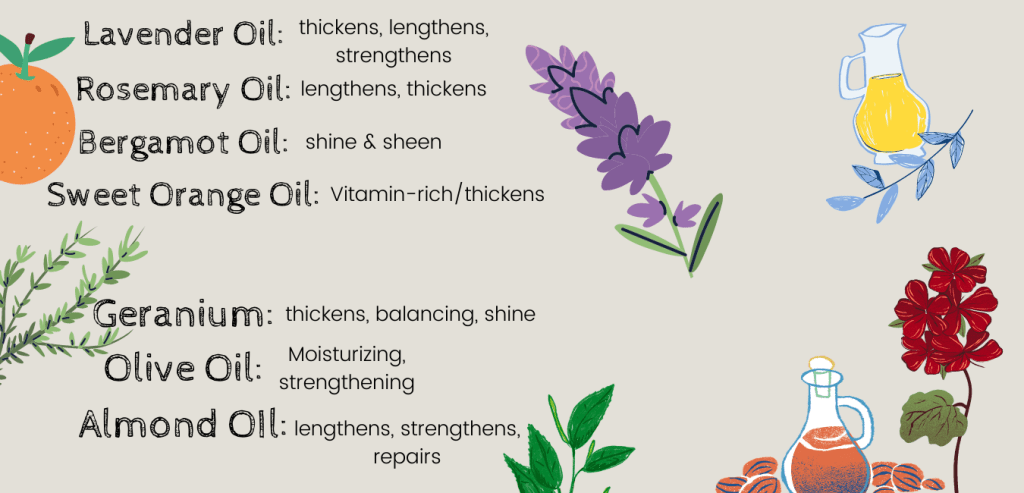
In Do.It.Your Self-Care: a strengthening and lengthening hair mask made from REAL geranium petals. What could be more natural and fragrant than fresh petals in your tresses?
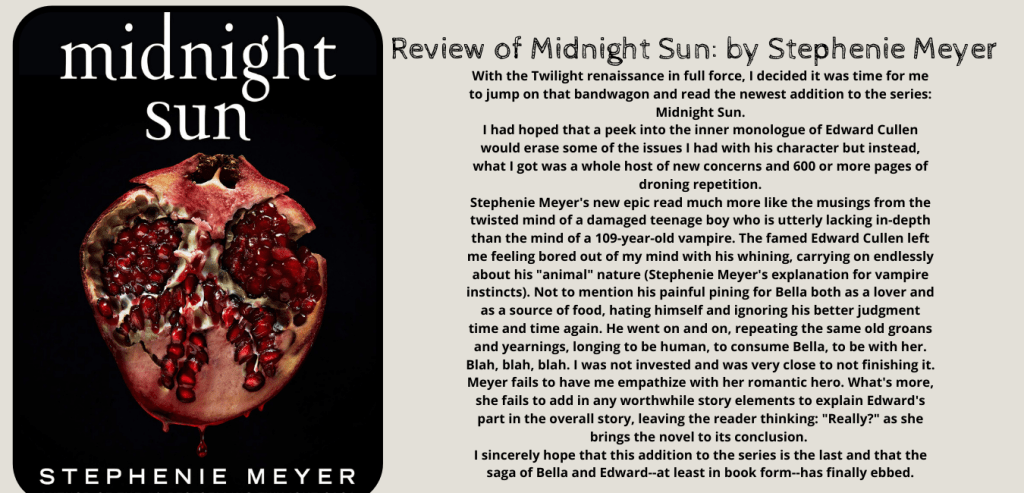
From The Book Nook: A review of Midnight Sun. What a dud. The teenage girl who lives inside me and loved the Twilight saga was deeply disappointed by this read. Two big thumbs down for Stephenie Meyer–boo.
At The Writing Corner: Developmental edits, what are they? Should you include them in your editing process?

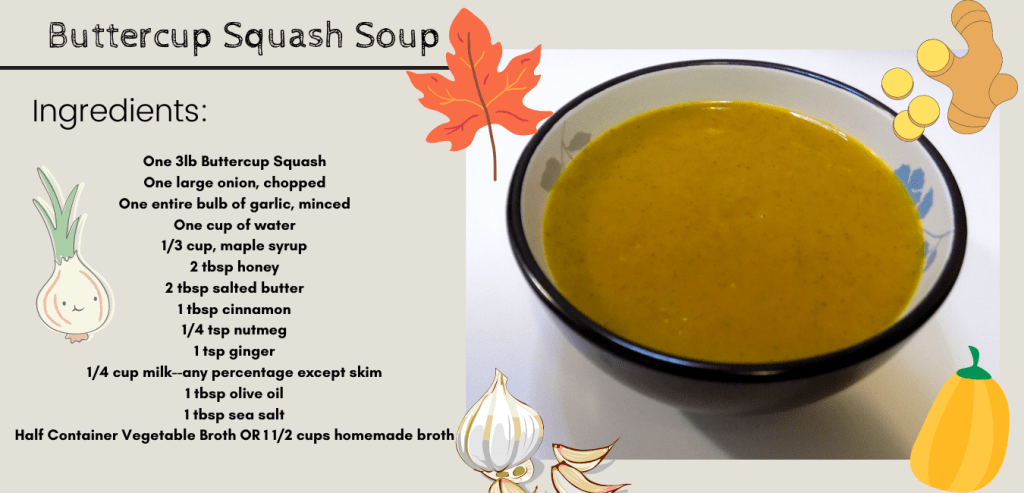
My luscious recipe for buttercup squash soup coupled with warm fall spices will soothe your soul and awaken your senses. I get so excited every year when buttercup squash comes into season, where after I eat this soup every week. It’s addictive and good for you, not to mention beneficial for your digestive system. Our bodies use up a lot of unnecessary energy processing food. When you consume easily digestible substances like soup, juices, and smoothies, it frees up bodily energy. The fact that it’s nutrient-dense only enhances the boost you get to your energetic stores. Buttercup squash is high in both potassium and vitamin B6. Potassium, an electrolyte, is essential in repairing the body after physical exertions. Vitamin B6 synthesizes nutrients in the body, literally carrying carbs, fats, and proteins to your cells for energy production.
Directions:
Cut squash in half and scoop out seeds.
Place 1 tbsp salted butter and 1 tbsp honey in each half of the squash.
Cook squash for 1hr at 350 degrees, turning once halfway through cook time.
Place chopped onions and garlic in a large pot with olive oil.
Cook until translucent on medium-low heat.
Scoop out the flesh of the squash and add it to the simmering onions and garlic.
Add all other ingredients to the pot, except milk.
Cook on medium-low heat for one hour.
Blend with an immersion blender until smooth or with a traditional blender in increments, using a towel to cover rather than a plastic lid.
Add milk once the soup is smooth.
Cook for 30 more minutes with milk on medium-low heat.
Enjoy! 🙂
This recipe makes four 2 cup servings of soup, but you could easily double the recipe for more.
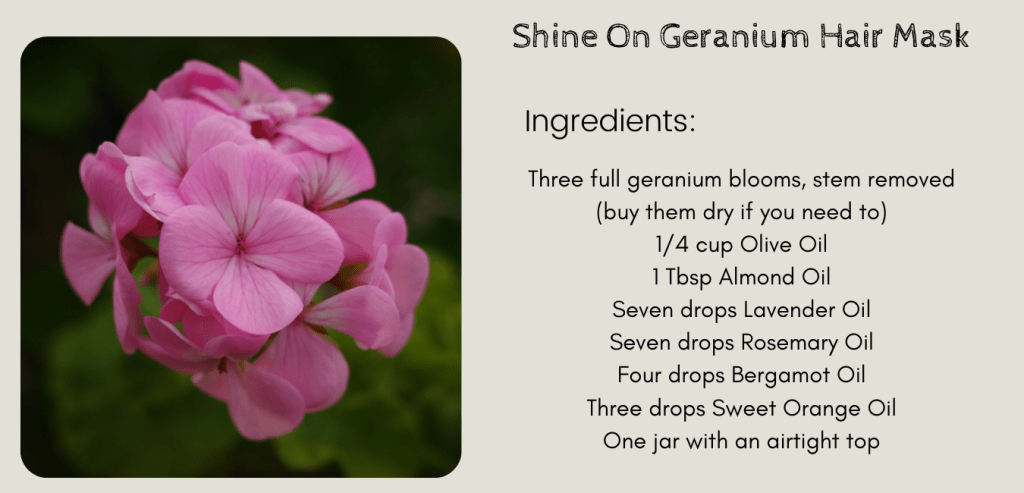
I am fortunate to have an amazing boyfriend who buys me flowers. Last summer, he bought me a geranium plant for outside, and as the months grew colder, I couldn’t bear to let it die. So, I set up an indoor garden using an old fish tank to continue to watch it grow. It’s been a joy seeing it bloom on occasion as it’s brought life into my dreary kitchen drudgery. But, recently, I got to thinking: there must be some way I could utilize its blooms for a beauty-related recipe. As a studied aromatherapist, I have experience working with plant oils. Geranium is a common plant in the aromatherapy world–boasting uses for hair care, among other things. So, I came up with a hair mask recipe, one that will leave your locks moisturized, shiny and soft. Read on to get to the good stuff! 😉
Directions:
Place geranium blooms in the jar with olive oil and close the lid.
Leave for two weeks, allowing the olive oil to leech out the beneficial oils from the geranium flowers.
Combine all other ingredients with olive oil mixture after the 2-week mark and replace the lid.
Slather mixture all over hair, spending extra time massaging it into your lengths as well as your scalp.
Leave on for a minimum of 2 hrs.
Shampoo and condition as usual.
*There’s enough for multiple uses if you have short hair


Ah, editing it’s a real pain in the you-know-what for those who love the art of drafting. A.K.A: me. My favorite thing about writing is getting lost in your narrative. You leave reality behind and become someone else. Their problems are your own. The world replaces yours–it’s freeing, like a breath of fresh air after being suffocated. But that suffocating feeling resumes whenever you refine your work. The fantasy becomes a reality, and your problems become your own once more as you try to set your manuscript up for success, resonance, and acclaim. So, what’s the point of doing developmental edits, you ask? To fill out your plot, world, and characters as much as possible, to blot out the unnecessary and fill in with color elsewhere, bringing to life your creation more than before. It’s a chance for you to read your work objectively, as a prospective reader would, to ask yourself questions about what you’ve written. Questions like:
How strong is my protagonist’s voice?
Did I fully develop my side characters, or are they lacking?
Does my world seem realistic? Have I done enough world-building?
Do my character’s drives, choices, and yearnings make sense? Are they clear to the reader?
Was I lazy with the plot in places? For example: creating a scenario for the sake of it that is too convenient to be believable, like a character suddenly unearthing secret powers moments before death to save themselves.
Readers are smart. They’re astute, and many of them consume books the way we all consume food. Readers can and will spot inconsistencies with both your characters and your plot. That’s why you must take a step back, put yourself in that reader’s shoes, and read your work objectively, making adjustments as you go along.
Thanks for filling up on this week’s Word Fuel. Come back next week for more recipes, D.I.Y skincare, book reviews, and writing advice!
Or subscribe now so you’ll never miss a blog post!
 Katrina Thompson